A new hum follows your Land Rover down the road. It gets louder when you accelerate, fades when you lift off, or seems to come from somewhere beneath the rear seats. Is the differential starting to wear, or is it something else in the driveline?
Differential problems often show up as changing noise, leaks, or vibration. Those clues are worth investigating, but they don't point to the failed part on their own. Tires, wheel bearings, shafts, and other driveline components can sound surprisingly similar from inside the cabin.
Land Rover Differentials Allow Wheels To Turn At Different Speeds
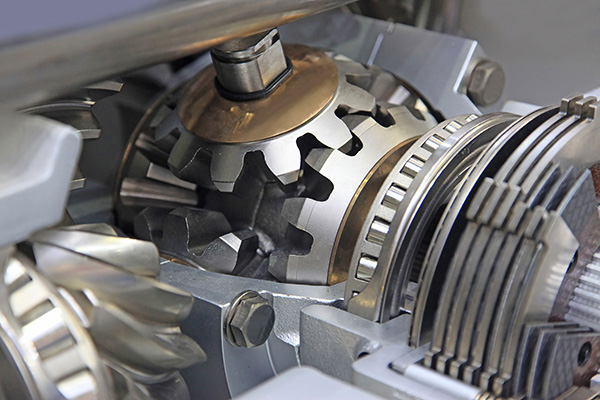
When you turn, the outside wheels travel farther than the inside wheels. An axle differential allows that difference while still sending power to the wheels. Depending on the Land Rover model, the driveline can include several gear units and electronically controlled systems, each with its own job and service requirements.
A front or rear differential isn't the same thing as a transfer case or another torque-distribution unit. Knowing which components your vehicle actually uses is the first step toward a useful inspection. A generic description of four-wheel drive won't tell you the correct fluid, the right procedure, or where a particular noise is likely coming from on every Land Rover.
Differential Gear Wear Can Create A Whine Under Load
Worn or incorrectly loaded gears can produce a whine or howl that changes between acceleration and coasting. The sound may be most noticeable within a certain road-speed range. Whether it changes when you press or release the accelerator helps a technician separate a load-related driveline sound from other possibilities.
Still, that pattern is a clue, not a conclusive test. Tire tread can create a hum, and other rotating parts can send noise into the same area. Don't assume the rear differential needs replacing because a passenger hears the sound from the back seat. A controlled road test and an inspection of the relevant components should pin down where it starts.
Differential Bearing Wear Can Cause Rumble Or Vibration
Bearings support the rotating parts inside a differential. As they wear, they may cause rumbling, roughness, or extra movement. A vibration that follows road speed can also come from driveshafts, joints, wheels, or tires, so the technician has to compare those possibilities.
Notice whether the vibration shows up under acceleration, while cruising, or during a turn. Please don't try to isolate it with abrupt maneuvers on a public road. We can inspect mounting points, shaft condition, and component play using the proper procedures. Replacing a differential just because the vibration seems strongest back there can leave a separate driveline problem untouched.
Differential Oil Leaks Can Reduce Internal Protection
Differential lubricant protects the gears and bearings while they work. A leak at a seal, housing, or connection can lower the level and lead to wear or overheating. Even a small stain deserves a check, because its size doesn't show how much fluid has been lost over time.
Adding lubricant may restore the level for a while, but the leak still needs attention. The right specification depends on the exact unit, especially when electronically controlled or limited-slip equipment is involved, and fluid color or a general gear-oil label isn't enough to choose it. Keep a record of any previous top-offs or repairs so the current inspection can account for them.
Land Rover Differential Problems Can Affect Turning
Binding, shuddering, or unusual resistance during low-speed turns can involve a differential or another part of the four-wheel-drive system. Tire size, pressure, and tread differences can also affect driveline operation. Check these concerns together instead of treating them as proof that the differential gears have failed.
An electronic driveline warning may involve controls, wiring, or an actuator as well as a mechanical problem. Read the exact message and follow its operating restrictions. If a warning disappears after a restart but comes back, it still deserves a look. And repeating tight turns to reproduce the binding can add stress without showing which part needs repair.
Differential Inspection Should Include Fluid And Service History
A technician can inspect for leaks, check the correct level, assess accessible play, and evaluate the lubricant when the procedure calls for it. Debris can add useful information, but you need to interpret its amount and type alongside your symptoms and the unit's condition. No single observation should stand in for the full check.
Bring these details to a differential inspection:
- The road speed and whether you're accelerating or coasting when the noise appears.
- Recent tire changes, driveline work, or fluid service.
- Any warning messages, fluid leaks, and any off-road use or water exposure.
We'll rely on the correct Land Rover maintenance information to guide any service recommendation.
Worsening Differential Noise Should Be Checked Promptly
A mild hum can grow into a louder howl or a vibration as a problem develops, but there's no reliable mileage countdown to failure. If the noise gets severe, the vehicle binds, or fluid is leaking heavily, stop safely and arrange assistance instead of continuing to test it.
Catching a lubricant leak or a developing bearing problem early can reduce how much repair you need. Once gears or bearings are damaged, fresh oil can't restore their surfaces. A prompt inspection helps show whether the vehicle needs a limited repair, internal work, or replacement of the affected unit before more damage develops.
Get Land Rover Differential Inspection In Atlanta, GA, With Atlanta Car Care
Atlanta Car Care in Atlanta, GA, can inspect your Land Rover's driveline when you notice new noise, vibration, leaks, or turning resistance. We can explain the findings and the repair or service that suits the differential and related components.
Contact us to schedule an inspection of your Land Rover's differential concerns.