Posted on 8/28/2026

Fuel doors appear on different sides because manufacturers must fit the fuel tank, filler pipe, exhaust system, suspension, wiring, emissions equipment, and body structure into a limited amount of space. There is no universal rule requiring every vehicle to place the fuel door on the driver’s side or passenger’s side. The location is usually determined during vehicle design. Engineers choose the side that provides a practical route from the filler opening to the fuel tank while keeping the pipe away from heat, moving suspension parts, and areas that need structural reinforcement. Vehicle Packaging Has The Greatest Influence The fuel door is connected to the tank by a filler neck, which may include a metal or reinforced plastic pipe, vent passages, seals, and emissions-control connections. That assembly needs enough room to reach the tank without sharp bends that could slow refueling or trap fuel. Space under a vehicle is already occupied by several majo ... read more
Posted on 7/31/2026
%20copy.jpg)
A BMW usually gives you a few hints before it becomes a serious repair problem. The steering may feel a little heavier, the engine may idle differently, a warning message may pop up and then disappear, or a new smell may appear after parking. None of those changes should be brushed off just because the car still drives well. BMWs are rewarding cars to own, but they are not cars that like being ignored. Many systems are tightly packaged, electronically monitored, and sensitive to fluid condition, voltage, heat, and worn parts. If you catch the early signs, service is usually easier to plan and less stressful than waiting for a breakdown. 1. Oil Smells, Oil Spots, Or Low Oil Warnings Oil leaks are common on BMWs as mileage climbs. Valve cover gaskets, oil filter housing gaskets, oil pan gaskets, turbo oil lines on equipped models, and various seals all deal with years of heat. The leak may start as a smell before it ever leaves a puddle. A burning oil smell after dri ... read more
Posted on 6/26/2026
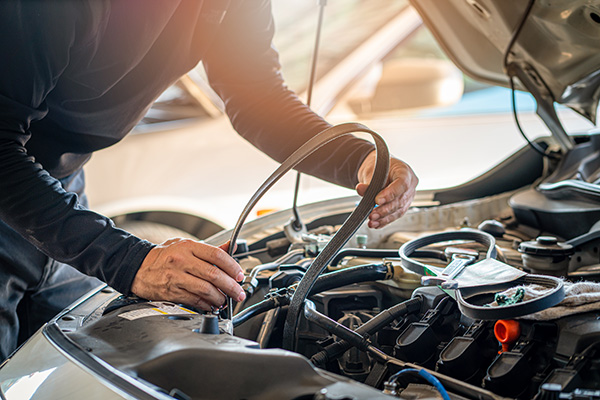
Hyundai vehicles can be dependable, practical, and affordable to own, but they still need the right attention as the miles add up. A small change in how the car starts, shifts, cools, or handles can tell you something important before a repair gets more involved. The tricky part is that many Hyundai problems begin quietly. The vehicle still gets through the day, so the symptom gets pushed aside. Paying attention early helps protect the engine, transmission, brakes, electrical system, and the parts that keep the car safe on the road. 1. Engine Oil Consumption Some Hyundai engines can start using more oil as they age. The driver may not see smoke or notice a leak right away. Instead, the oil level slowly drops between services, and the engine keeps running until the level gets too low. Low oil can lead to ticking, timing issues, overheating inside the engine, and internal wear. Checking the oil level between services is a smart habit, especially on higher-mileage veh ... read more
Posted on 5/29/2026

Kia vehicles have come a long way, but they still need the right kind of attention to stay dependable. Some repairs are simple when they are caught early. Others get expensive when small warning signs are ignored, even though the car still feels fine. A Kia mechanic who works on the brand regularly learns where owners should pay closer attention. These tips can help you spot trouble sooner, protect key systems, and avoid waiting until a warning light becomes the only clue. 1. Keep Up With Oil Changes Oil service is one of the easiest places to protect your Kia. Modern engines rely on clean oil to protect timing components, variable valve timing parts, turbochargers on equipped models, and internal engine surfaces. Stretching oil changes too far can leave deposits and wear in places you cannot see. Use the correct oil type and follow the service schedule that fits your driving. Short trips, heat, traffic, and stop-and-go driving can be harder on oil than mileage alo ... read more
Posted on 4/30/2026
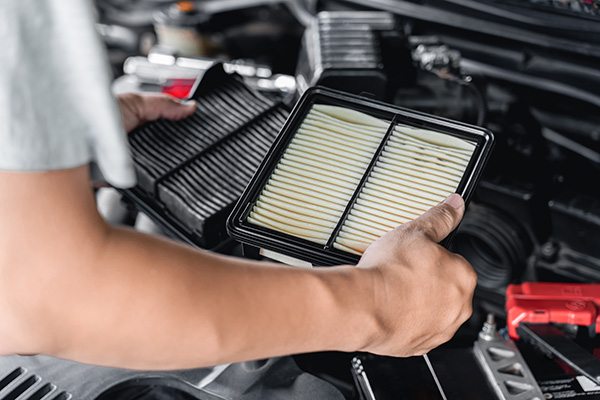
A dirty air filter does not get much attention until something starts feeling off. The engine still runs, the car still moves, and there is no obvious breakdown. That is why many drivers overlook it. The filter sits in the background doing its job, so it is easy to forget how much the engine depends on clean airflow. Once airflow starts to get restricted, performance and fuel use can begin to change in ways that are easy to dismiss at first. What The Engine Air Filter Actually Does Your engine needs a steady supply of clean air to mix with fuel and burn properly. The air filter keeps dirt, dust, and road debris from entering the intake system. That protection is important because modern engines rely on clean airflow to maintain the right balance for combustion. As the filter collects more debris, it becomes harder for air to pass through it. At some point, the engine has to operate with less airflow than it was designed for, and that is where drivability and effici ... read more