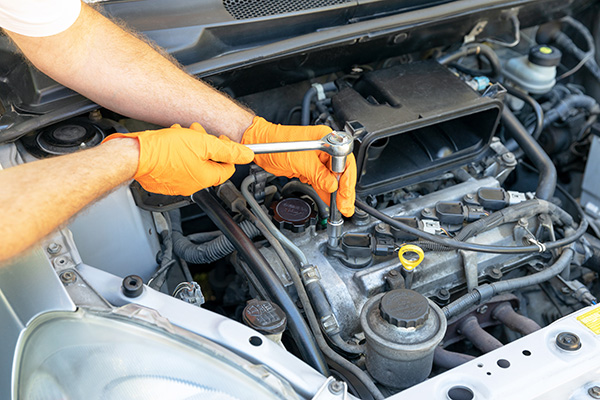
Kia vehicles have come a long way, but they still need the right kind of attention to stay dependable. Some repairs are simple when they are caught early. Others get expensive when small warning signs are ignored, even though the car still feels fine.
A Kia mechanic who works on the brand regularly learns where owners should pay closer attention. These tips can help you spot trouble sooner, protect key systems, and avoid waiting until a warning light becomes the only clue.
1. Keep Up With Oil Changes
Oil service is one of the easiest places to protect your Kia. Modern engines rely on clean oil to protect timing components, variable valve timing parts, turbochargers on equipped models, and internal engine surfaces. Stretching oil changes too far can leave deposits and wear in places you cannot see.
Use the correct oil type and follow the service schedule that fits your driving. Short trips, heat, traffic, and stop-and-go driving can be harder on oil than mileage alone suggests.
2. Watch For Engine Noise At Startup
A rattle, knock, ticking sound, or harsh noise during startup should not be ignored. Some noises are brief and minor, but others can point to timing components, low oil pressure, worn internal parts, or an issue that needs attention before it grows.
Pay close attention to new sounds, sounds that are getting louder, or sounds that last longer than a second or two. A quick inspection can help separate a harmless noise from one that needs repair.
3. Do Not Ignore Check Engine Lights
A steady check engine light can come from many causes, including ignition problems, oxygen sensor faults, fuel trim issues, EVAP leaks, or emissions system trouble. The car might still drive normally, but the computer has already seen something out of range.
A flashing check engine light is more urgent. That can point to an active misfire, which can damage the catalytic converter if the vehicle continues to be driven. The sooner codes and live data are checked, the easier it is to avoid replacing parts too quickly.
4. Pay Attention To Transmission Feel
Many Kia drivers first notice transmission trouble as a delay when shifting into drive, a hard shift, hesitation during acceleration, or a shudder at lower speeds. Those symptoms can be tied to a fluid condition, software, mounts, sensors, or internal wear.
Transmission complaints should be checked early because heat and slipping can cause the problem to worsen quickly. Waiting until the vehicle struggles to move gives you fewer options.
5. Check Coolant Level And Temperature Changes
Kia engines need a healthy cooling system to manage heat in traffic and during longer drives. Low coolant levels, sweet smells, rising temperature readings, or changing heater performance can all point to cooling system trouble.
Coolant should not keep disappearing. If the reservoir drops again after being filled, there is a leak or pressure problem somewhere. Regular maintenance helps catch weak hoses, caps, water pumps, and thermostats before overheating causes engine damage.
6. Replace Spark Plugs On Time
Spark plugs wear gradually so that the change can sneak up on you. A Kia with worn plugs might start a little harder, idle rougher, hesitate under load, or lose fuel economy. In some models, weak coils can appear around the same time.
Fresh spark plugs help the engine burn fuel correctly. When plugs are overdue, ignition coils and catalytic converters can take on extra stress.
7. Take Brake Changes Seriously
Brake noise, vibration, pulling, or a pedal that feels softer than normal should be checked. Kia brake systems are straightforward, but worn pads, uneven rotors, sticking calipers, or old brake fluid can all change how the vehicle stops.
Brake repairs are easier to control when the first symptom is handled early. Once grinding starts, rotors and other parts are more likely to be involved.
8. Keep Tires And Alignment In Check
Uneven tire wear is one of the quickest ways to spot a suspension or alignment problem. If your Kia pulls, the steering wheel sits off-center, or one tire wears faster than the others, the vehicle needs a closer look.
Tires also affect fuel economy, braking, and ride comfort. Keeping them rotated, inflated, and aligned helps the whole vehicle feel more predictable.
9. Do Not Dismiss Electrical Glitches
Modern Kia vehicles rely on sensors, modules, cameras, screens, and controls for charging systems. A weak battery or a poor connection can trigger warning lights and strange behavior that seem unrelated at first.
If the vehicle has repeated no-starts, flickering lights, warning messages, or accessories acting strangely, start with battery and charging system testing. It can save time before deeper electrical work is considered.
10. Use A Kia Mechanic Who Understands The Brand
A Kia repair should not be based solely on symptoms. The right approach includes service history, scan data, known model patterns, fluid condition, and a hands-on inspection. That gives a clearer answer than replacing the first part, which seems likely.
A Kia mechanic who knows the brand can spot patterns faster, explain what is urgent, and help you avoid spending money in the wrong place. That is especially useful when the vehicle has multiple symptoms at the same time.
Get Kia Repair In Atlanta, GA, With Atlanta Car Care
If your Kia is showing warning lights, shifting differently, making noise, or is due for service, Atlanta Car Care in Atlanta, GA, can inspect it and help you stay ahead of repair problems.
Bring it in before a small Kia issue turns into a repair that could have been avoided.